
Stricter anti-pollutant measures are bolstered in Delhi as AQI drops amid the cold wave.
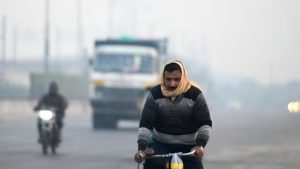
Delhi-NCR has carried out GRAP-three because of a spike in pollution tiers. Restrictions include a ban on non-critical construction and strict vehicle policies. The Centre’s air excellent panel has invoked the third section of the Graded Response Action Plan (GRAP 3) in Delhi-NCR because the country wide capital grapples with a sharp rise in pollutants levels. The decision was made after Monday’s Air Quality Index (AQI) crossed into a ‘terrible’ class. Consequently, the city has imposed stringent measures to lessen air pollution, along with a ban on non-crucial creation and demolition activities. The circulation comes as Delhi studies a chilly wave, with the India Meteorological Department (IMD) recording a minimal temperature of four. 5°C on Monday morning. The temperatures dipped further in favorable areas, achieving 3.5°C in Pusa and four. 4.1 °C in Ayanagar. The mixture of low temperatures and harmful air pollution has worsened the already tricky pollutants degrees inside the town. What is GRAP 3?
Under the GRAP-3 suggestions, numerous key regulations will come into impact. Petrol cars that do not meet the BS-III emission norms and diesel cars failing to comply with BS-IV standards are prohibited from getting into Delhi, and elements of the National Capital Region (NCR), consisting of Gurugram, Ghaziabad, Faridabad, and Gautam Budh Nagar. These measures aim to lessen vehicular emissions, which are a chief source of pollutants at some point during the ice months. Additionally, the ban on production work extends to all non-important projects, even though exceptions are made for countrywide security, healthcare, and particular public infrastructure projects. To further fight the pollutants, the authorities have ramped up efforts to suppress dirt by deploying mechanized street-sweeping and water-sprinkling machines across the town.
Diesel generator units and some other good-sized contributors to air pollution may be restricted to emergency use only at some point in this phase. The aim is to minimize the release of particulate matter and different pollutants into the air, which can have intense health effects, specifically for vulnerable organizations such as children, the aged, and those with breathing situations.
The government has also forecast a slight development in the weather conditions, with the maximum temperature anticipated to rise to around 23°C. However, the cold wave is expected to persist, making it harder for pollution to disperse and leading to an endured deterioration of air quality.